blog title
test
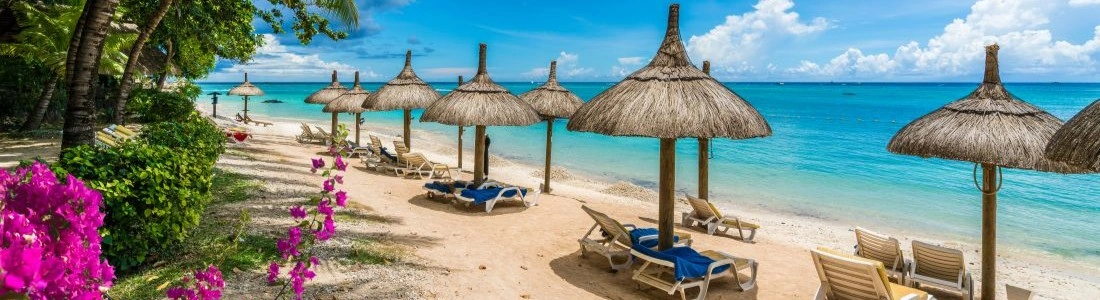
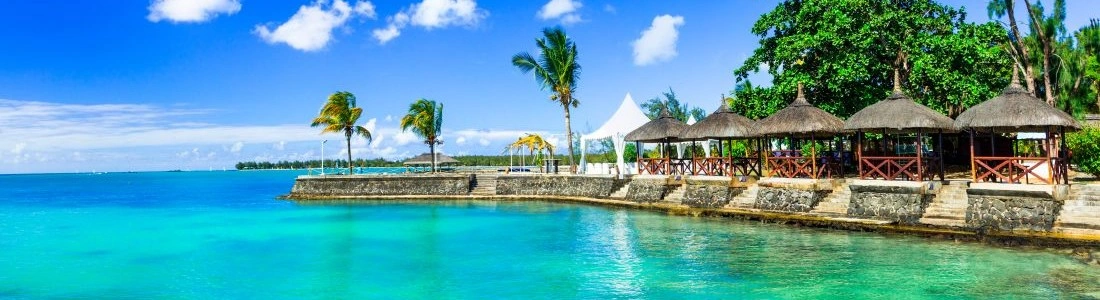
Mauritius has earned its
reputation for dazzling beaches, crystal-clear lagoons, and luxury resorts.
Those postcard-perfect scenes are every bit as beautiful as they appear, but
they are only one part of the island's story. Venture beyond the shoreline on a
holiday to Mauritius and you'll find rainforest-covered
mountains, sacred lakes, colourful markets, and a rich blend of cultures that
has shaped everything from the food to the festivals.
For UAE travellers who
know Mauritius primarily as a honeymoon or beach destination, the island offers
far more than a week by the pool.
It's a place where you
can spend the morning hiking through a national park, the afternoon tasting
locally grown tea, and the evening watching the sun disappear behind Le Morne
with fresh seafood on your plate.
The beach is
just the beginning
Mauritius may be
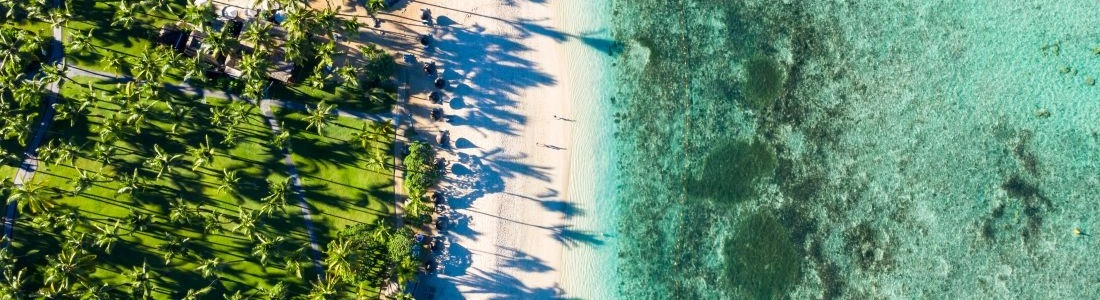
relatively small, but its coastline changes dramatically from one region to the
next. In the north, calm lagoons and sheltered beaches create ideal conditions
for swimming, snorkelling and family holidays. Glass-bottom boats drift across
coral gardens while catamarans head out into the lagoon for relaxed afternoons
on the water.
Further south-west, the
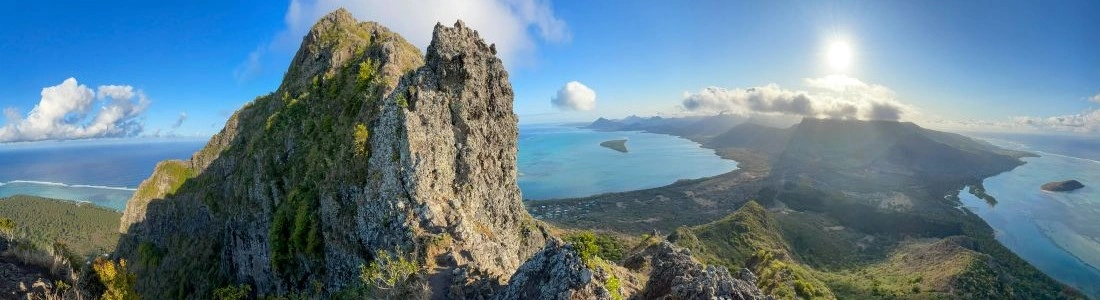
scenery becomes more dramatic. Le Morne Brabant, the UNESCO-listed mountain
rising above the peninsula, creates one of Mauritius' most recognisable
landscapes, with rugged basalt cliffs giving way to white sand and turquoise
sea.
Along the east coast,
stronger trade winds attract kite surfers and windsurfers, while quieter
stretches of beach offer a slower pace away from the island's busier resorts.
Into the
island's green heart
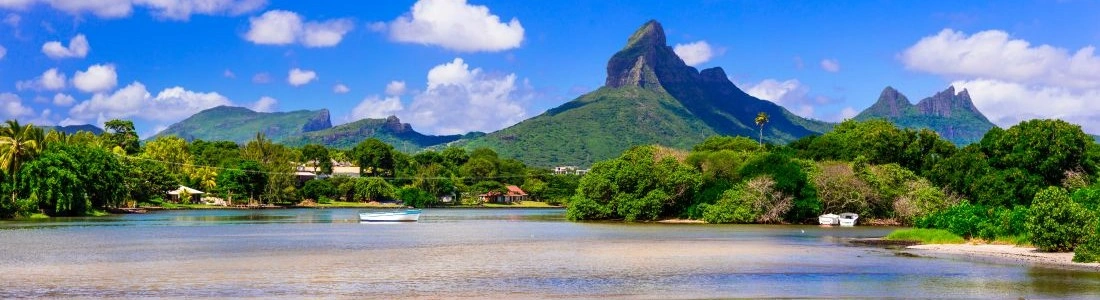
Away from the coast,
Mauritius feels like a completely different destination. Black River Gorges
National Park protects the island's largest remaining area of native
rainforest, where walking trails wind through dense forest, waterfalls and deep
valleys.
Routes range from gentle
walks to more challenging hikes, including the climb to Piton de la Petite
Rivière Noire, the island's highest peak, where panoramic views stretch across
the south and west coast.
Not far away lies Grand
Bassin, also known as Ganga Talao, a crater lake that has become Mauritius'
most important Hindu pilgrimage site. Surrounded by temples and towering
statues of Shiva and Durga, it offers a peaceful glimpse into the island's
spiritual life.
During Maha Shivaratree,
usually held in February or March, hundreds of thousands of pilgrims make the
journey here from across Mauritius.
A culture
shaped by many influences
One of the things that
makes Mauritius so distinctive is its cultural mix. Centuries of French,
British, Indian, African and Chinese influence have left their mark on the
island, creating a destination that feels unlike anywhere else in the Indian
Ocean.
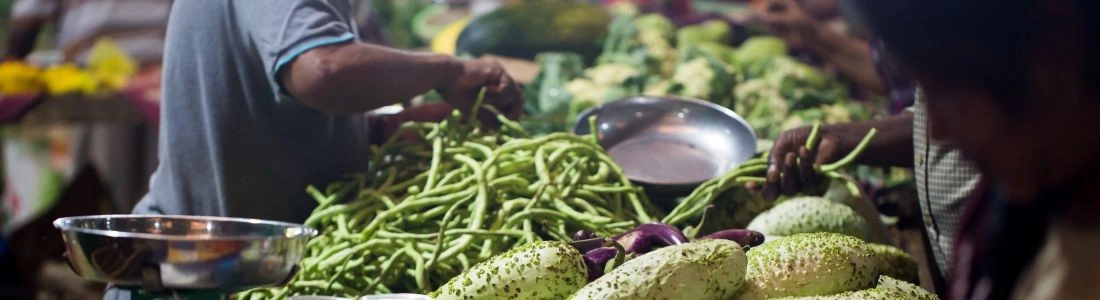
That diversity is perhaps
most obvious at the dining table. Street stalls sell freshly made dholl puri
filled with spiced split peas and chutney, while restaurants serve everything
from fragrant Indian curries to Creole seafood dishes and Chinese-inspired
specialities.
For UAE travellers,
Mauritius is also refreshingly straightforward when dining out, with
halal-certified restaurants widely available across the island thanks to its
long-established Muslim community.
Tea country
and slower days
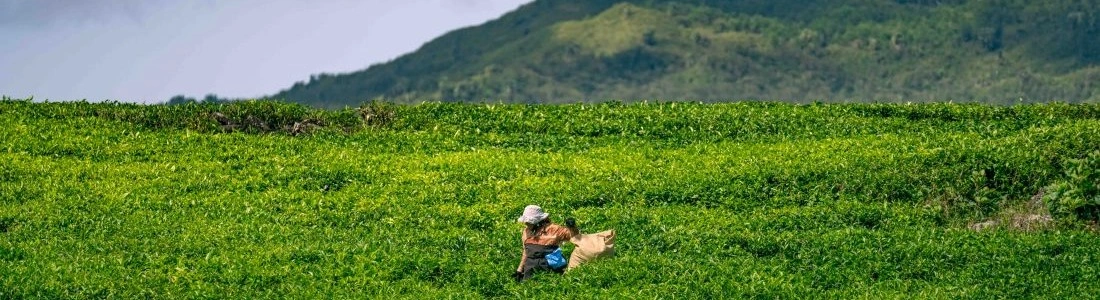
The cooler hills of
central Mauritius reveal another side of the island again. At Domaine de Bois
Chéri, one of Mauritius' oldest tea estates, visitors can tour the plantation
and factory before sampling locally produced teas overlooking the surrounding countryside.
On clear days, the views extend towards Grand Bassin, making it an easy place
to lose track of time.
It's a reminder that
Mauritius isn't simply a destination for ticking off attractions. Some of its
most memorable experiences come from slowing the pace, whether that's lingering
over lunch, wandering through a local market or spending an afternoon looking
out across the island's rolling interior.
The luxury of
slowing down
Mauritius has long been
associated with luxury, but its greatest indulgence is often time itself. Days
here don't need to be packed with activities. One morning might be spent
deep-sea fishing off the west coast, another playing a round of golf overlooking
the Indian Ocean, followed by an afternoon in a spa surrounded by tropical
gardens.
For couples, the quieter
west coast beneath Le Morne remains one of the island's most romantic corners,
combining spectacular sunsets with some of Mauritius' finest resorts. It's no
surprise that the island regularly features in our guide to the best places to go for a honeymoon.
Planning your
escape
Direct flights from Dubai
and Abu Dhabi reach Mauritius in under seven hours, making it one of the most
accessible Indian Ocean islands from the UAE. The dry season, from May to
November, generally offers the best conditions for hiking, sightseeing and watersports,
while the warmer months from December to April bring greener landscapes,
occasional tropical downpours and a higher chance of cyclones, particularly
between January and March.
Emirati passport holders
can enter Mauritius visa-free for up to 90 days. UAE residents travelling on
other passports should contact DW
Travel’s visa support service to confirm any requirements.
Why book with
DW Travel
At DW Travel, we believe
the best Mauritius holidays combine the island's beautiful coastline with the
experiences that lie beyond it. Whether you're planning a luxury honeymoon, a
family escape or a tailor-made itinerary exploring the island's culture and
landscapes, our specialists take care of every detail, from flights and accommodation to guided experiences, leaving you free to enjoy Mauritius at your own pace.